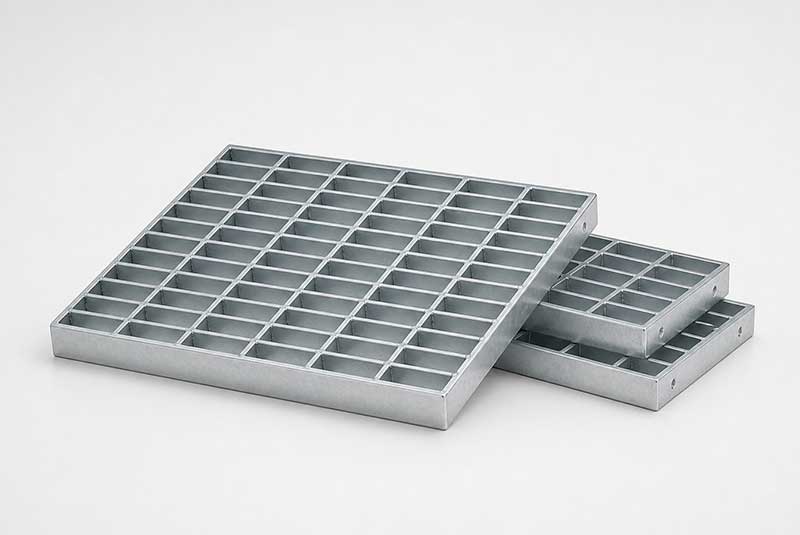
Table of Contents
Plan for installation and future access
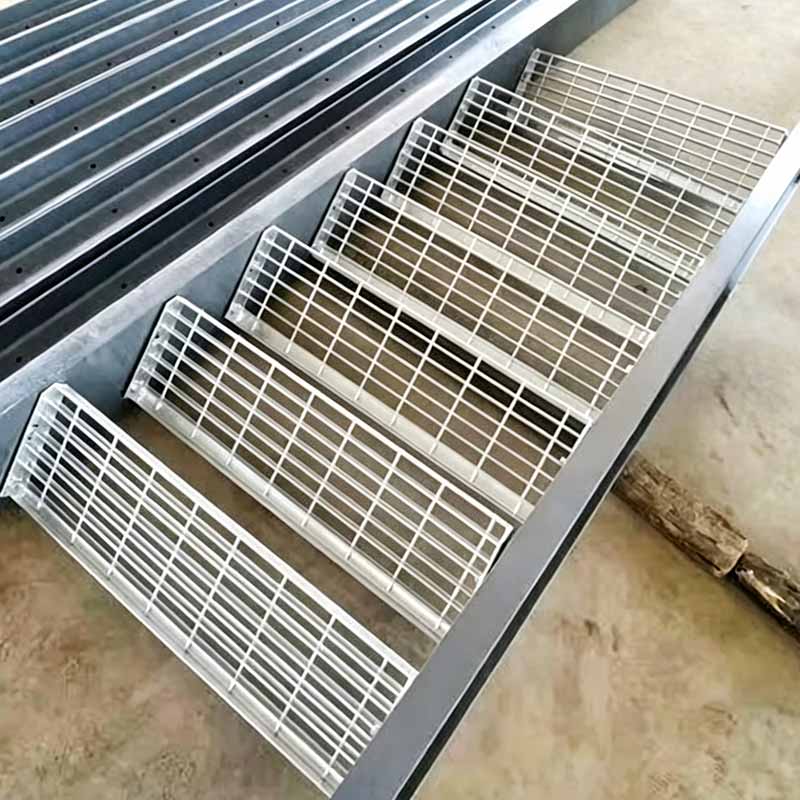
Steel Grate Steps should be specified around the leading edge, footwear, and contamination. For wet-process industrial stair flights, the useful starting point is the installed duty and the interface that determines whether the proposal will work. Selection is easier when the team considers how the part is delivered, installed, used, inspected, and eventually replaced.
The leading edge is a critical contact point as a worker steps down a wet industrial stair. Discuss the nosing profile alongside the grating surface and expected footwear. The proposed detail should also remain cleanable and free of sharp projections. No visual texture alone demonstrates a universal slip rating. Review a representative sample under the intended conditions and keep the stair geometry consistent so that the surface decision does not introduce a different problem at the first or last step.
This guide focuses on wet-process industrial stair flights. It addresses the decision behind the enquiry rather than restating every general feature of a metal grid. The practical objective is to prevent selecting a textured tread while leaving the nosing condition undefined. The evidence to request is a tread sample and a documented wet-area use assessment. Keep that requirement attached to the released drawing when asking for a steel grate steps proposal.
Review the leading edge as a working surface for steel grate steps
Apply this check to steel grate steps by linking the proposed geometry to the leading edge, footwear, and contamination. Use the actual location in wet-process industrial stair flights as the reference.
The nosing is the leading edge encountered during stepping and descent. Its profile, visibility, surface condition, and attachment should be coordinated with the tread rather than selected as an isolated trim. Consider the footwear, contamination, and lighting expected in use.
Any added strip or treatment must remain compatible with the approved geometry and cleaning method. A representative sample can help settle the detail and inspection criteria. Do not infer a slip-resistance rating from a textured photograph. Maintenance should check wear, looseness, sharp projections, and damaged protection at the leading edge. The chosen detail should support consistent stepping along the flight and clear transitions at the landings.
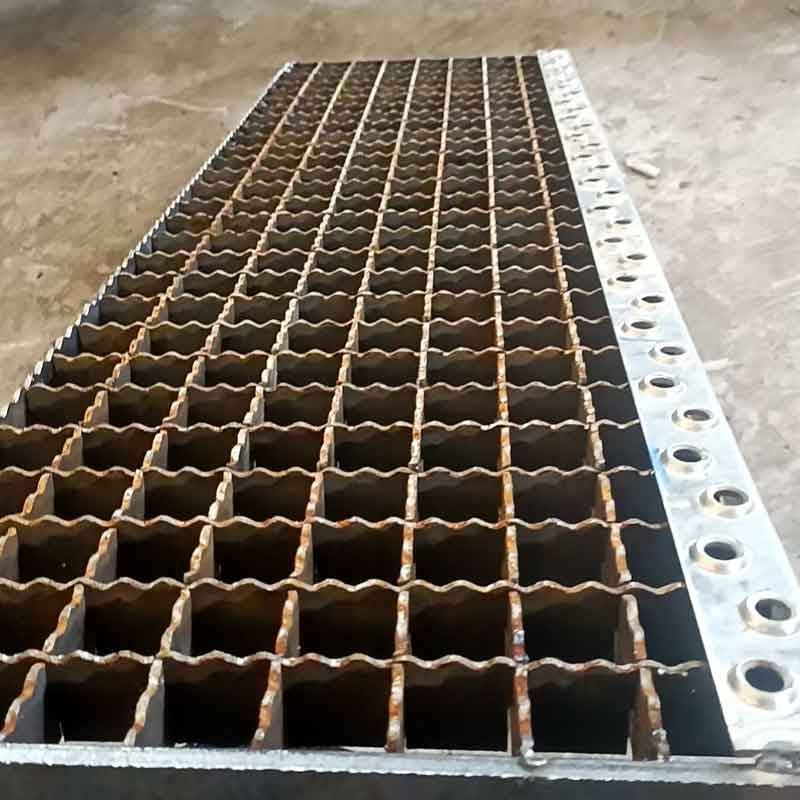
Describe the surface conditions rather than a slogan for steel grate steps
When reviewing steel grate steps, keep a tread sample and a documented wet-area use assessment with the supplier response. This gives the technical discussion a specific acceptance reference.
Surface selection depends on the contaminants, footwear, travel direction, slope, and tasks expected at the location. Plain and serrated bearing bars offer different contact profiles, but neither should be described as universally slip-proof. A test result is meaningful only with its method and representative conditions.
Ask the site team how oil, dust, water, snow, or process residues are controlled. Cleaning and inspection remain necessary even when a textured surface is selected. Review edges, nosings, and transitions because a local detail can dominate the user's experience. Where a trial is useful, use a representative finished sample and a documented assessment procedure. The result should support a complete surface-management plan instead of replacing it.
Design access for the expected residues for steel grate steps
For steel grate steps, a change that affects the leading edge, footwear, and contamination should be declared before production. Review the effect on adjacent components and the installation sequence.
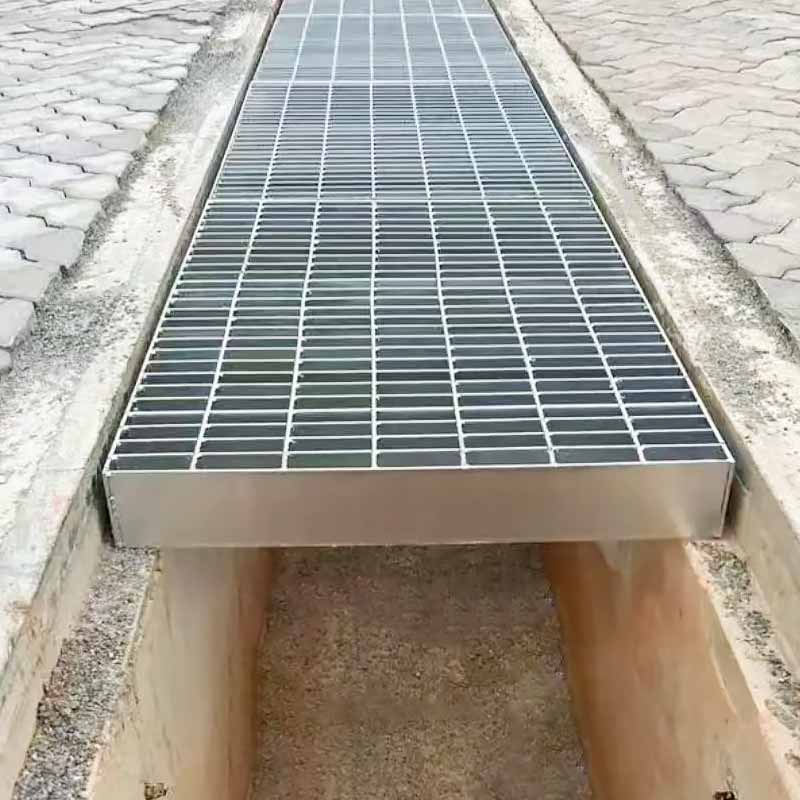
An open surface releases some debris and liquid, but that does not make the assembly self-cleaning. Residues can collect at intersections, supports, frames, or concealed contact surfaces. Describe the likely contaminants and the cleaning process, including chemicals, temperature, pressure, and access constraints where these affect the choice.
Review where a worker can reach, what must be removed, and how a removed component will be handled. Coordinate the cleaning route with adjacent equipment and any opening-protection procedure. The surface profile should suit both use and maintenance. A more aggressive texture may alter cleaning effort, while a plate-topped assembly changes where liquid remains. Keep the method with the operating information so that the installed product is maintained under the conditions considered during selection.
A worked review scenario: wet-process industrial stair flights
Consider a hypothetical enquiry for steel grate steps in wet-process industrial stair flights. The buyer receives two proposals that share a broad product description. Proposal A explicitly addresses the leading edge, footwear, and contamination and includes a tread sample and a documented wet-area use assessment. Proposal B omits that evidence and assumes that the existing interface is acceptable. The example is an enquiry comparison, not a claim about an actual Senfa customer or a completed project.
The buyer should first resolve the missing information in Proposal B. A lower price does not answer whether the proposal prevents selecting a textured tread while leaving the nosing condition undefined. Ask the supplier to identify its assumptions and show the completed assembly against the same released requirements. The two offers become comparable only when their interfaces, fabrication scope, and evidence are clear.
The decision record for steel grate steps should name the accepted drawing and explain why the selected arrangement meets the defined duty. If the project cannot yet provide a tread sample and a documented wet-area use assessment, keep the technical question open. The next useful step is a survey, sample, calculation, or coordinated drawing appropriate to that missing input; repeating a general capacity or quality claim will not close it.
Compare the available approaches
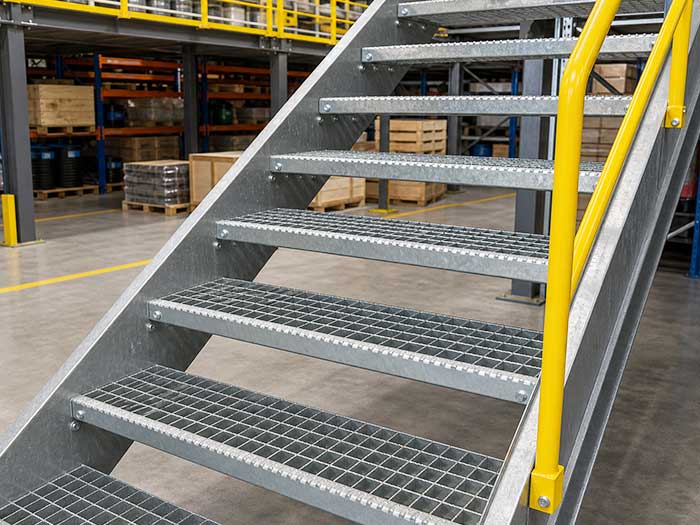
Use the table to structure a steel grate steps discussion. It identifies different supply approaches rather than ranking products without project data. For this enquiry, carry the leading edge, footwear, and contamination through every column.
| Approach | When it may fit | Evidence to review |
|---|---|---|
| Like-for-like replacement | Stringer interfaces and finished geometry are confirmed | Survey mounting details and check the complete flight |
| Custom end-plate tread | The retained structure has a special interface | Approve a representative fit and tread-specific assessment |
| Coordinated stair package | Treads, landings, or rails are changing together | Resolve the full elevation and supply responsibilities |
For steel grate steps, the comparison is complete only after declared deviations are resolved. Keep pricing, technical acceptance, and delivery responsibilities visible. A useful offer states what is supplied and what the buyer or site contractor still needs to provide.
Information to send with the enquiry: steel grate steps
A steel grate steps enquiry should include a location plan, dimensions with units, the intended duty, and the surrounding support or connection geometry. For wet-process industrial stair flights, highlight the leading edge, footwear, and contamination rather than burying it in a general note. Attach a tread sample and a documented wet-area use assessment where it is already available, or identify who will provide it before fabrication.
Include quantities by component mark, material and finish requirements, inspection documents, and the destination handling constraints. Define whether accessories, frames, special fabrication, packing, and site assembly are included. Ask the supplier to list any deviation against the released information. This prevents selecting a textured tread while leaving the nosing condition undefined from remaining hidden as an assumption in the quotation.
Keep related terms such as steel grate stair treads, steel grating treads, steel grating for stairs connected to the same duty brief when searching catalogues. Similar wording does not make different constructions interchangeable. For steel grate steps, the approved physical definition and its acceptance evidence take precedence over a short catalogue description.
Acceptance and change control: steel grate steps
Before releasing steel grate steps for production, confirm that the drawing, component schedule, and supplier response describe the same revision. The review should explicitly close the question of the leading edge, footwear, and contamination. Record acceptance against a tread sample and a documented wet-area use assessment and identify any remaining site-dependent checks.
At delivery, match the marks and quantities to the packing list and examine visible damage before the components are distributed. During installation, check the actual interface and the completed secured condition. The practical warning for this application remains selecting a textured tread while leaving the nosing condition undefined. A correct-looking component should not be used to dismiss an unresolved interface or duty question.
Changes to the equipment, route, exposure, or support can invalidate earlier assumptions. Review them before modifying a finished part. Preserve the final drawing and records for future steel grate steps replacement so that the next order begins with the accepted installation rather than a new guess.
Reference and related Senfa resources: steel grate steps
OSHA addresses stair geometry and related requirements for applicable US workplaces. Review the completed flight under the rules governing the project. A component description alone does not establish stairway compliance. See the OSHA stairway requirements.
For the relevant product family, review Senfa stair treads and the stair grating tread product page. Use drawing-based fabrication and finishing support to discuss the specific interface, and technical support resources for the broader product context.
Discuss the project with Senfa: steel grate steps
To discuss steel grate steps, send the released drawing or a labelled survey, the quantity schedule, and the operating requirements for wet-process industrial stair flights. Highlight the leading edge, footwear, and contamination and include a tread sample and a documented wet-area use assessment when available. Senfa lists drawing review, secondary fabrication, surface-treatment options, and technical project support among its services.
Request a proposal that identifies the construction, interfaces, supplied accessories, finishing, inspection records, and delivery scope. Ask for deviations to be stated clearly so the project team can review them before ordering steel grate steps. The enquiry form below provides a starting point for that discussion; final selection should follow the approved project information.
Frequently asked questions
What should a nosing sample demonstrate for steel grate steps?
It should show the profile, surface, attachment, and transition to the tread. Review expected footwear, contamination, lighting, and cleaning. A visible texture alone cannot establish a universal slip rating.
Does a serrated surface guarantee slip resistance for steel grate steps?
No universal guarantee follows from the profile name. Evaluate the actual contamination, footwear, slope, and test method where testing is required. Cleaning, inspection, and suitable transitions remain part of the installed arrangement.
Does an open grid eliminate cleaning for steel grate steps?
No. Debris and residues can remain at intersections, supports, and concealed interfaces. Define the cleaning method and access needed for the expected contaminants, then coordinate removable components and surface details with that method.
What is the main decision in this steel grate steps enquiry?
The central decision is the leading edge, footwear, and contamination for wet-process industrial stair flights. Request a tread sample and a documented wet-area use assessment and use the same released information when comparing proposals. This keeps the discussion connected to the installed duty.
What should be avoided when ordering steel grate steps?
Avoid selecting a textured tread while leaving the nosing condition undefined. Resolve the relevant interface and acceptance evidence before fabrication, declare any supplier assumptions, and review later changes against the approved arrangement rather than relying on visual similarity.