Mục lục
Giới thiệu
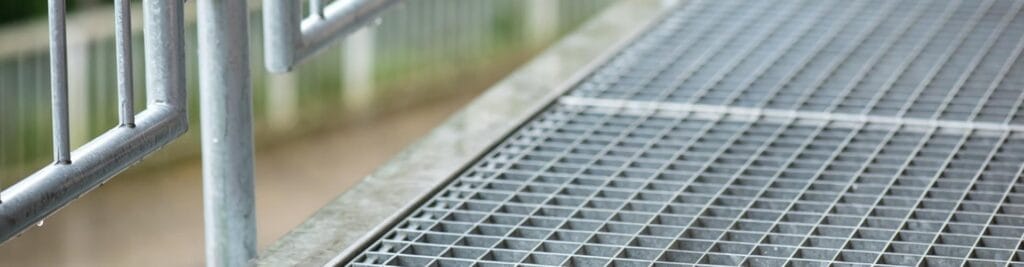
Lưới thép hàn là một trong những sàn lưới mở được sử dụng rộng rãi nhất và các cấu trúc truy cập trong các cơ sở công nghiệp. sự kết hợp của nó giữa các thanh chịu lực song song và các thanh ngang hàn tạo ra một bảng cứng có thể được sử dụng cho các nền tảng, lối đi, khu vực truy cập thiết bị, tầng lửng, cấu trúc thoát nước, hệ thống cầu thang, và các tòa nhà thép.
Mặc dù cấu trúc cơ bản xuất hiện thẳng, hiệu suất đáng tin cậy phụ thuộc vào một số yếu tố kết nối. mang thanh chiều sâu và độ dày, khoảng cách, rõ ràng hỗ trợ span, hàn nhất quán, kích thước bảng điều khiển, cấu hình bề mặt, tiếp xúc với môi trường, xử lý cạnh, và điều kiện cài đặt tất cả ảnh hưởng như thế nào lưới hoàn thành hành vi.
Đối với các kỹ sư và nhóm dự án, hiểu cách lưới hàn được xây dựng do đó cũng quan trọng như hiểu kích thước của nó. một bảng điều khiển nên được đánh giá như là một phần của hệ thống kết cấu xung quanh chứ không phải là một lưới bị cô lập.
Hướng dẫn này giải thích cách lưới thép hàn được hình thành, điều gì quyết định hiệu suất của nó, nơi nó thường được sử dụng và những chi tiết kỹ thuật nào cần được xem xét trước khi chế tạo và lắp đặt.
Lưới thép hàn là gì?
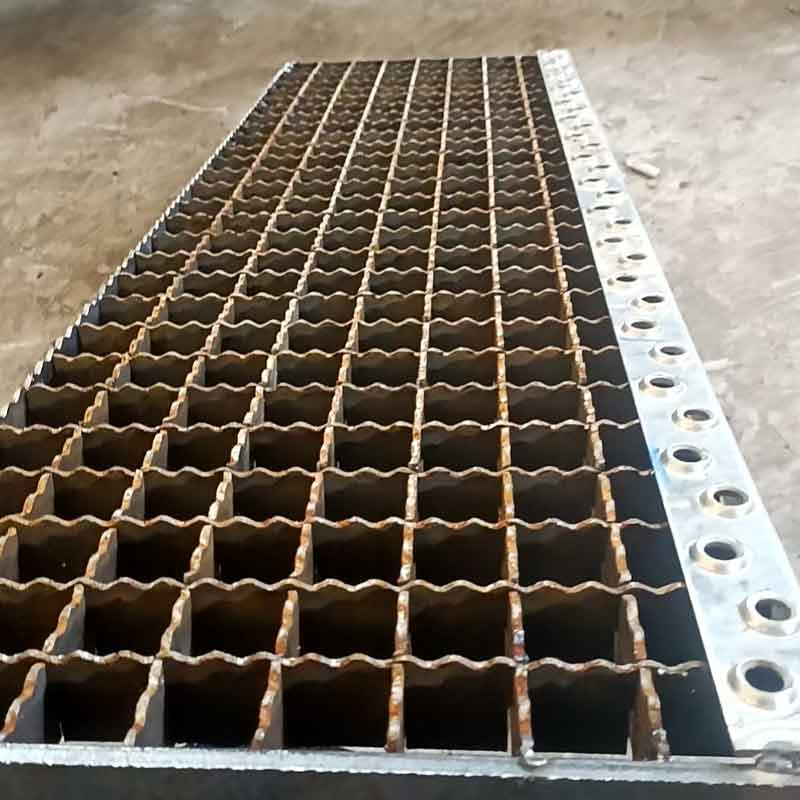
Lưới thép hàn là một bảng kết cấu mở được làm từ các thanh chịu lực song song được nối với các thanh ngang vuông góc thông qua các kết nối hàn.
Các thanh chịu lực tạo thành các yếu tố mang tải chính.Chúng thường trải dài giữa các giá đỡ kết cấu và chống uốn khi con người, thiết bị hoặc các tải trọng khác tác động lên bề mặt.
Thanh ngang thực hiện một chức năng khác nhau.Chúng duy trì khoảng cách thanh chịu lực nhất quán, ổn định lưới và giúp chuyển lực cục bộ giữa các thanh lân cận.
Tại các giao điểm giữa hai bộ thành viên này, hàn tạo ra các kết nối vĩnh viễn giữ lưới với nhau.
Kết quả là một cấu trúc mở cứng nhắc có thể cung cấp:
- Truy cập kết cấu
- Thoát nước
- Thông gió
- Truyền ánh sáng
- Tầm nhìn qua sàn nhà
- Giảm sự tích tụ của các mảnh vụn nhỏ
- Tích hợp với kết cấu thép công nghiệp
Những đặc điểm này làm cho lưới hàn phù hợp với một loạt các môi trường công nghiệp.
Làm thế nào hàn thép Grating được sản xuất
Quá trình sản xuất bắt đầu với các thanh chịu lực được chuẩn bị theo kích thước yêu cầu.
Các thanh này được đặt song song với nhau ở khoảng cách được kiểm soát. sau đó các thanh ngang được đặt vuông góc với chúng để mô hình lưới dự định được hình thành.
Hàn nối các thanh ngang với các thanh chịu lực tại giao điểm của chúng.
Nguyên tắc công nghiệp đằng sau hàn điện trở sử dụng điện trở để tạo ra nhiệt nơi các thành phần kim loại gặp nhau, cho phép áp suất và nhiệt tạo ra một kết nối vĩnh viễn. trong chế tạo lưới, hàn có kiểm soát giúp hình thành mối quan hệ cứng nhắc giữa các thanh chịu lực chính và các thành viên chéo.
Sau khi lưới điện chính được hình thành, chế tạo bổ sung có thể bao gồm:
- Cắt theo kích thước bảng điều khiển
- Hoàn thiện cạnh
- Dải
- Khai mạc
- Hình dạng không đều
- Gia cố xung quanh các khu vực được lựa chọn
- Xử lý bề mặt
- Kiểm tra kích thước
Tính nhất quán của từng giai đoạn ảnh hưởng đến độ chính xác kích thước và độ ổn định của bảng hoàn thiện.
Tại sao thanh chịu lực là thành viên kết cấu quan trọng nhất
Thanh chịu lực xác định phần lớn hành vi cấu trúc của lưới thép hàn.
Chúng chạy theo hướng kéo dài chính và truyền tải trọng vào các dầm, khung hoặc gờ đỡ bên dưới bảng điều khiển.
Ba đặc điểm thanh chịu lực đáng được quan tâm đặc biệt:
Độ sâu thanh chịu lực
Độ sâu ảnh hưởng đến khả năng chống uốn.
Phần sâu hơn thường có khả năng chống uốn cao hơn phần nông hơn với các đặc tính tương tự.
Mang Bar Độ dày
Độ dày góp phần vào độ cứng và tính chất cấu trúc của thanh chịu lực.
Khoảng cách thanh chịu lực
Khoảng cách xác định có bao nhiêu thanh chính được định vị trên một chiều rộng bảng điều khiển nhất định.
Các tham số này không nên được đánh giá riêng biệt với khoảng rõ ràng.
Cấu hình thanh chịu lực cụ thể có thể hoạt động hiệu quả trên các giá đỡ có khoảng cách gần nhau nhưng hoạt động khác khi khoảng cách không được hỗ trợ tăng lên.
Thông tin kỹ thuật bao gồm kích thước thanh chịu lực, khoảng cách, cấu hình bảng điều khiển, hàn và cấp tải có thể được kết hợp thông qua rộng hơn yêu cầu đặc điểm kỹ thuật lưới thép khi xác định bảng hàn.
Vai trò của thanh chéo
Các thanh ngang rất cần thiết cho sự ổn định của lưới hàn, mặc dù chúng thường không phải là bộ phận kéo dài chính.
Chức năng của chúng bao gồm:
- Duy trì khoảng cách thanh chịu lực
- Ổn định lưới điện
- Kết nối các thanh chịu lực liền kề
- Hỗ trợ phân phối tải cục bộ
- Duy trì hình dạng bảng điều khiển
Khoảng cách giữa các thanh ngang cũng ảnh hưởng đến hình dạng và kích thước của các lỗ trên lưới.
Điều này có thể ảnh hưởng đến:
- Tương tác giày dép
- Chuyển động bánh xe nhỏ
- Thoát nước
- Đoạn mảnh vụn
- Khu vực mở
- General panel rigidity
The cross bar configuration should therefore be specified together with the bearing bar arrangement.
A panel should not be rotated casually during installation simply because its outside dimensions still fit the structural opening. The bearing bars and cross bars perform different roles, so orientation matters.
Tại sao chất lượng hàn lại quan trọng
The welded intersections maintain the relationship between the bearing bars and cross bars.
Consistent welding helps preserve panel geometry and structural stability during handling, installation, and use.
Fabrication quality should therefore be evaluated through several characteristics:
| Inspection Area | Main Purpose |
|---|---|
| Weld consistency | Maintains connection between grid members |
| Khoảng cách thanh chịu lực | Preserves intended panel geometry |
| Cross bar alignment | Maintains grid stability |
| Kích thước bảng điều khiển | Supports accurate installation |
| Edge condition | Provides controlled panel boundaries |
| Surface consistency | Supports later finishing and inspection |
A panel should have a regular grid with stable connections rather than isolated areas where cross bars move independently.
Inspection should also confirm that fabrication has not created significant distortion that could affect installation.
Lưới thép hàn so với lưới khóa báo chí
Welded and press-locked grating can appear similar from a distance because both create open-grid panels from intersecting bars.
Their fabrication methods are different.
Welded grating uses welded connections between the bearing bars and cross bars. Press-locked grating relies on bars mechanically pressed and locked together.
| Tính năng | Welded Grating | Press-Locked Grating |
|---|---|---|
| Connection Method | Welded intersections | Mechanically locked bars |
| Grid Structure | Rigid welded configuration | Interlocked configuration |
| Common Focus | Industrial access and structural applications | Industrial and architectural applications |
| Surface Options | Đồng bằng hoặc răng cưa | Multiple configurations possible |
| Custom Fabrication | Cutouts, banding and shaped panels | Project-dependent fabrication |
The appropriate type depends on the structural, visual, dimensional, and environmental requirements of the application.
Neither manufacturing method should be selected from appearance alone.
Làm thế nào Clear Span ảnh hưởng đến lưới thép hàn
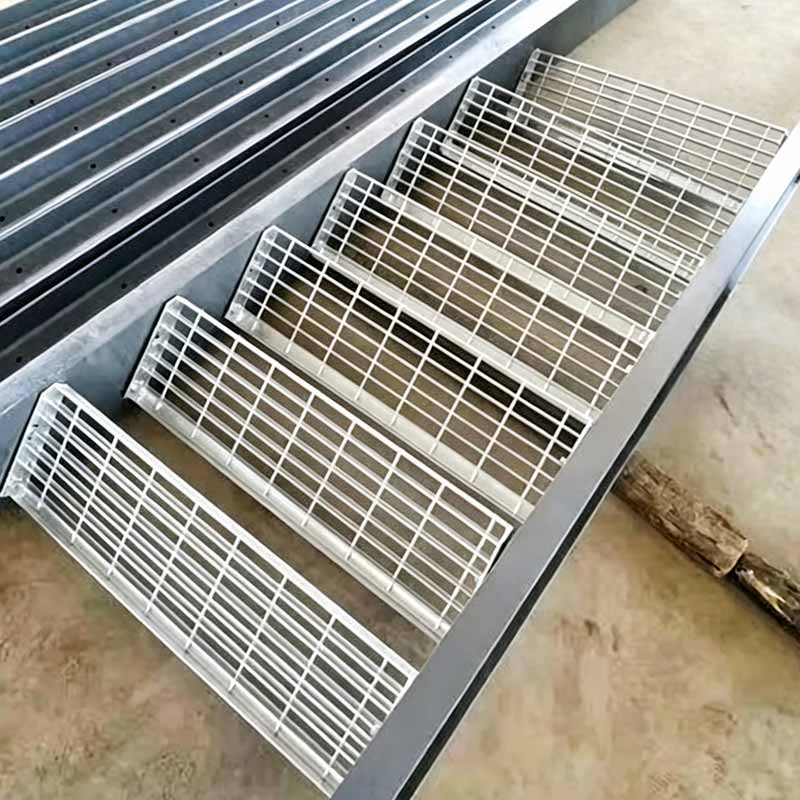
Clear span is the unsupported distance between the structural members carrying the grating.
It is one of the most important values in grating selection.
As clear span increases, bending and deflection generally become more significant under the same loading conditions.
This means the same welded grating configuration should not automatically be used across different support spacings.
Bản vẽ dự án nên xác định:
- Các địa điểm hỗ tr
- Khoảng cách rõ ràng giữa các hỗ tr
- Hướng thanh chịu lực
- Khớp nối bảng điều khiển
- Lỗ mở thiết bị
- Edge hỗ tr
The bearing bars should normally span directly between the intended supporting members.
Overall panel length should not be confused with clear span. A panel may extend beyond both support lines, making its physical length greater than the unsupported structural distance.
Loại tải và Hiệu suất Grating hàn
Different loads interact with grating in different ways.
A broad distributed load does not create the same structural condition as a narrow machinery foot or wheel.
Typical load categories include:
Người đi bộ Loading
People walking or standing on a platform generally create relatively localized loads that move across the surface.
Tải phân tán
Materials spread across a larger area can create a more uniform loading condition.
Tải tập trung
Equipment feet, structural components, or localized machinery supports apply force over relatively small areas.
Tải bánh xe
Carts and mobile equipment create moving concentrated loads that may initially engage only a limited number of bearing bars.
Lặp đi lặp lại Loading
Frequently used industrial access routes can expose the same parts of the grating to repeated loading.
The grating specification should reflect the actual operating condition rather than relying on one general load description.
Độ lệch cũng quan trọng
Structural capacity is not the only consideration.
A welded grating panel may remain structurally stable while still bending more than is desirable for the application.
Excessive deflection can affect:
- Đi bộ thoải mái
- Equipment movement
- Khớp nối bảng điều khiển
- Perceived platform stability
- Fixing performance
Elevated walkways and maintenance platforms can be particularly sensitive to noticeable movement.
For this reason, bearing bar configuration and support spacing should provide an appropriate balance between structural resistance and service stiffness.
Lưới thép hàn cho nền tảng công nghiệp
Industrial platforms are one of the main applications for welded grating.
The open structure provides a walking surface while allowing ventilation, light, and liquids to move through the platform.
Platform design should coordinate:
- Khoảng cách chùm tia cấu trúc
- Hướng thanh chịu lực
- Vị trí thiết bị
- Các tuyến đường đi bộ
- Cầu thang mở
- Thâm nhập ống
- Phần có thể tháo rời
- Thoát nước
- Điểm sửa
Where machinery is present, equipment support points should be identified before panel layout is finalized.
Heavy machinery may require dedicated structural framing rather than relying directly on the grating surface.
The grating then provides surrounding access for inspection and maintenance.
Lưới thép hàn cho lối đi
Industrial walkways require stable and continuous access between different parts of a facility.
Welded grating can be particularly useful where drainage and airflow are important.
Walkway design should consider:
- Chiều rộng đi bộ
- Khoảng hỗ trợ
- Khớp nối bảng điều khiển
- Hướng thanh chịu lực
- Cấu hình bề mặt
- Tiếp xúc với môi trường
- Small-wheeled equipment
- Fixing
Where carts move across the walkway, opening dimensions and wheel width should be reviewed together.
Panel joints should also remain stable so that repeated traffic does not create unwanted movement.
Lưới thép hàn để truy cập thiết bị
Industrial machinery often requires elevated access for inspection, lubrication, cleaning, adjustment, or component replacement.
Grating can create working areas around machinery without completely enclosing the space below.
Equipment access platforms may need:
- Hình dạng bảng điều khiển không đều
- Pipe cutouts
- Tấm tháo rời
- Valve access
- Local edge banding
- Hỗ trợ bổ sung
These features should be coordinated before fabrication.
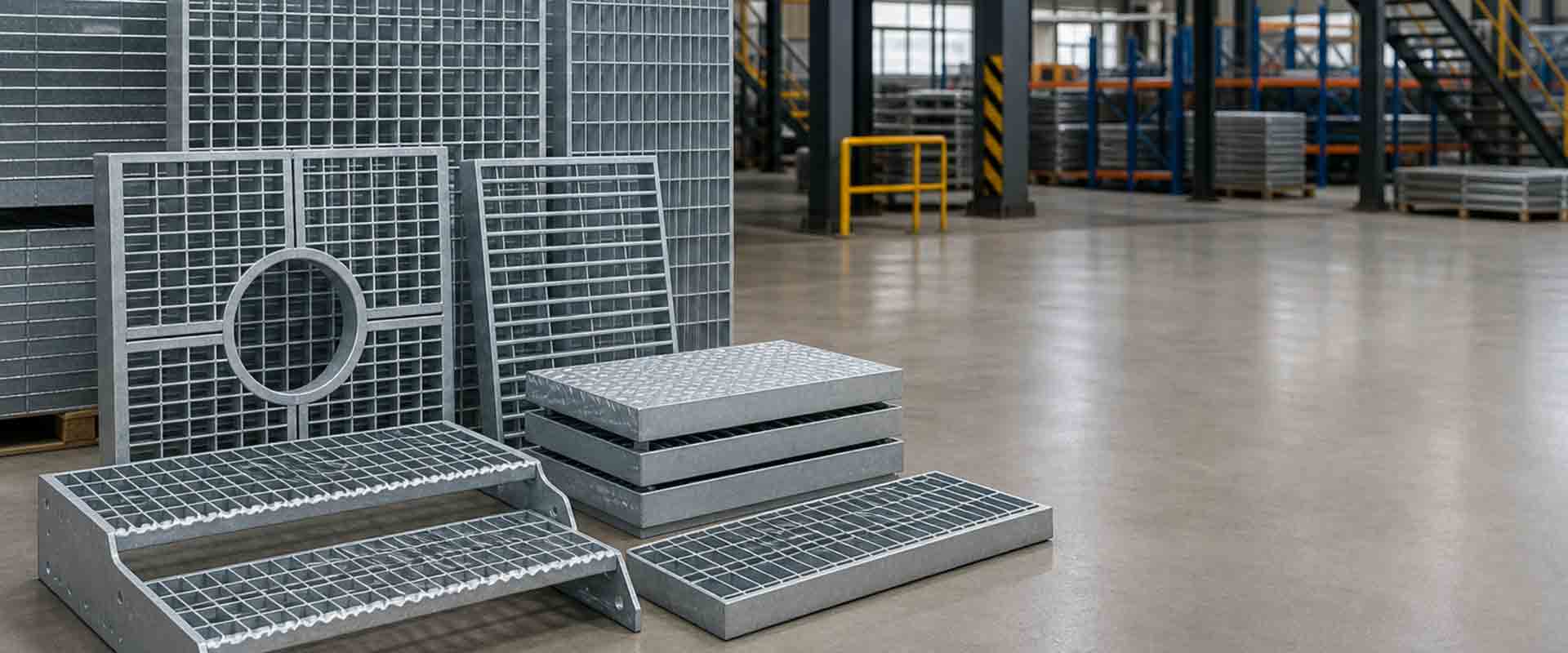
Senfa custom grating fabrication capabilities include drawing review, cutting, edge trimming, shaping, structural assembly, dimensional control, welding inspection, and surface treatment for non-standard project conditions.
This type of planning is especially useful where regular rectangular panels cannot fit around machinery or structural components.
Lưới thép hàn cho khu vực thoát nước
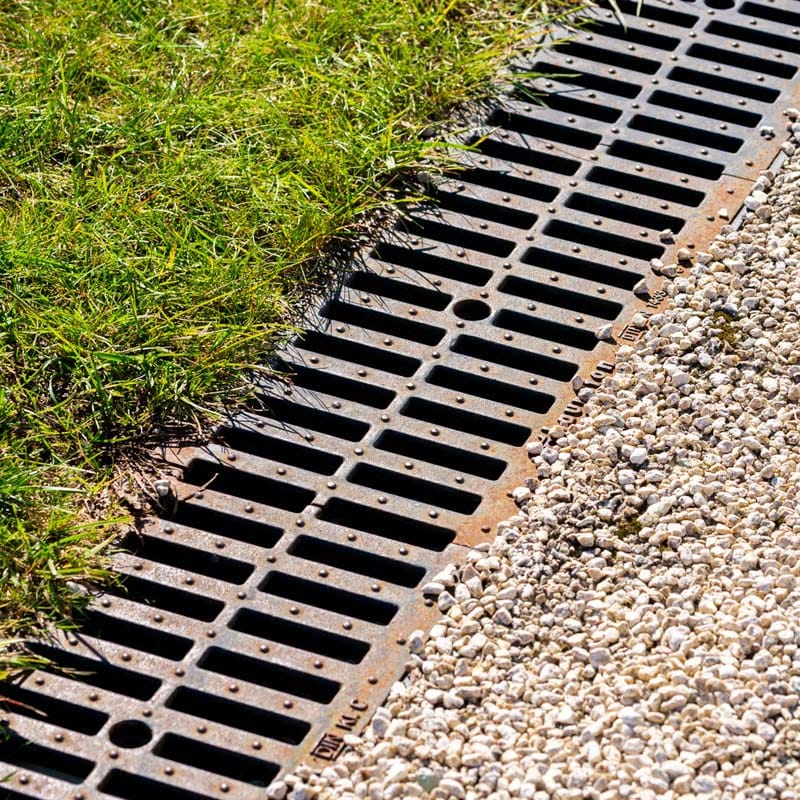
Open grating allows liquids to move through the surface into channels or drainage areas below.
This makes welded grating suitable for industrial floors, trench systems, processing areas, and outdoor structures.
However, effective drainage depends on more than the panel openings.
The complete drainage path should be considered:
surface → grating → channel → outlet.
Debris, sediment, leaves, or process residue can reduce effective drainage if openings or channels are not maintained.
The surrounding support frame should also remain stable because drainage panels frequently experience repeated pedestrian or equipment movement.
Lưới hàn trơn và răng cưa
Welded grating can use different upper bearing-bar profiles.
Plain bearing bars provide a relatively flat upper surface and can be suitable for many controlled industrial environments.
Serrated bars include notches along their upper edge, creating additional surface contact features.
Serrated configurations may be useful in environments exposed to:
- Nước
- Dầu
- Bùn
- Dư lượng quá trình
- Thời tiết ngoài trời
However, surface profile and structural performance should be treated as separate considerations.
Serrations do not automatically increase structural capacity.
Likewise, a structurally strong panel does not automatically provide suitable traction in a contaminated environment.
Both requirements should be reviewed independently.
Điều kiện vật chất và môi trường
Welded grating can operate in a wide range of industrial environments.
Material and surface protection should reflect the actual exposure conditions.
Các yếu tố quan trọng bao gồm:
- Indoor or outdoor use
- Độ ẩm
- Mưa
- Chất gây ô nhiễm công nghiệp
- Tiếp xúc với clorua
- Cleaning processes
- Nhiệt độ
- Độ ẩm đứng
Carbon steel is widely used for general industrial grating.
Where additional corrosion protection is required, an appropriate protective finish may be applied after the main fabrication steps are completed.
The fabrication sequence matters because cutting or welding after final surface treatment can affect protected areas.
Major panel shaping and edge work should therefore be coordinated with the finishing process.
Dải cạnh và ổn định bảng điều khiển
Panel edges may require banding depending on the layout and fabrication requirements.
Banding can help:
- Finish open bearing bar ends
- Define panel boundaries
- Stabilize shaped edges
- Finish openings
- Support practical handling
However, banding should not be confused with structural support.
A large cutout that removes several bearing bars may still require an additional structural member beneath the panel.
The location of cutouts relative to support beams should therefore be evaluated before fabrication.
Các vết cắt xung quanh đường ống và thiết bị
Industrial platforms rarely consist entirely of uninterrupted rectangles.
Pipes, columns, valves, equipment bases, cable systems, and structural braces frequently pass through the grating.
Accurate drawings should identify:
- Kích thước mở
- Opening location
- Hướng thanh chịu lực
- Nearby structural supports
- Điều trị cạnh
- Phần có thể tháo rời
Field cutting should be minimized where practical because removing bearing bars can change the original load path.
Planning the opening during fabrication makes it easier to coordinate edge finishing and surrounding support.
Kích thước và bố cục bảng điều khiển
Overall panel dimensions should correspond with the structural framing.
Very large panels can reduce the number of joints but may become difficult to handle or remove.
Very small panels increase the number of joints and fixing points.
A practical panel layout balances:
- Hỗ trợ kết cấu
- Cài đặt
- Xử lý
- Truy cập bảo trì
- Equipment layout
- Khu vực di động
Panel joints should preferably correspond with appropriate support locations.
Identification marks can also help installation teams position irregular or similar-looking panels correctly.
Hướng thanh chịu lực trong quá trình lắp đặt
Bearing bar direction must remain consistent with the structural layout.
Bearing bars normally span from one support to another. Cross bars stabilize the grid but are not intended to replace the primary spanning members.
If a rectangular panel is rotated, it may still fit physically while no longer matching the intended load path.
Installation drawings should therefore show bearing bar direction clearly.
This becomes particularly important on large platforms containing many panels with similar outside dimensions.
Cố định lưới hàn vào kết cấu đỡ
The grating should remain stable during normal use.
Appropriate clips, fasteners, or suitable permanent attachments may be used depending on the project.
Phương pháp cố định phải phản ánh:
- Rung
- Giao thông chân
- Mobile equipment
- Tiếp xúc với môi trường
- Truy cập bảo trì
- Bảng điều khiển có thể tháo rời
A maintenance panel may need to be removed periodically, making accessible mechanical fixing useful.
Other panels may remain in place for extended periods.
Fixing locations should be coordinated with the structural supports rather than placed without reference to the underlying frame.
Chế tạo Độ chính xác
Dimensional consistency becomes increasingly important as the number of panels increases.
A small variation repeated across a large platform can create alignment problems at the opposite edge.
Fabrication control should therefore include:
- Kích thước bảng điều khiển
- Khoảng cách thanh
- Grid alignment
- Diagonal consistency
- Kích thước mở
- Edge condition
- Weld consistency
Structural steel itself may also include practical fabrication and erection tolerances.
The panel layout should allow reasonable installation clearance while avoiding excessive gaps.
Kiểm tra lưới thép hàn
Inspection can be divided into several stages.
Trước khi xử lý bề mặt
Đánh giá:
- Overall dimensions
- Grid alignment
- Weld condition
- Cắt bỏ
- Điều trị cạnh
- Panel identification
Trước khi Cài đặt
Xác nhận:
- Panel location
- Hướng thanh chịu lực
- Support spacing
- Tình trạng bề mặt
- Sắp xếp cố định
Sau khi Cài đặt
Check:
- Liên hệ hỗ tr
- Độ ổn định của bảng điều khiển
- Sửa chữa
- Joint alignment
- Cắt bỏ
- Thoát nước
- Removable access
Inspection should focus on whether the panel matches the intended structure and application rather than only on appearance.
Bảo trì lưới thép hàn
Open-grid flooring generally allows debris and liquid to pass through, but industrial conditions can still create accumulation around supports and connections.
Periodic inspection should review:
- Cố định lỏng lẻo
- Chuyển động của bảng điều khiển
- Thanh chịu lực bị hư hỏng
- Cross bar condition
- Ăn mòn
- Các lỗ bị chặn
- Điều kiện hỗ tr
- Altered equipment interfaces
Areas close to vibrating machinery or repeated wheel routes may deserve additional attention.
Any removed maintenance panels should be returned to their original location and orientation after access work is completed.
Các lỗi lựa chọn lưới thép hàn phổ biến
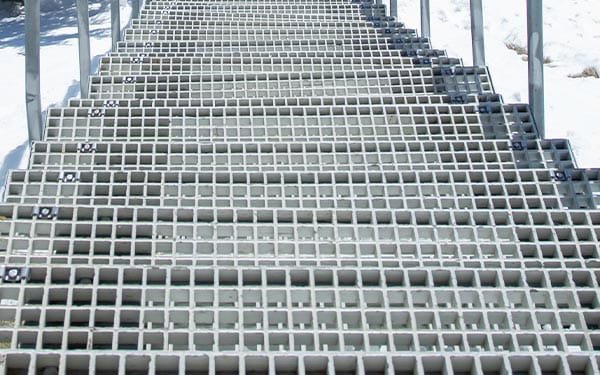
A common mistake is assuming that every welded panel with similar outside dimensions performs the same way.
Internal bar dimensions and spacing can produce very different structural characteristics.
Các vấn đề thường gặp khác bao gồm:
- Bỏ qua khoảng rõ ràng
- Hướng thanh chịu lực không chính xác
- Điều kiện tải không xác định
- Các phần cắt không được hỗ trợ
- Inadequate panel edge support
- Poor drainage planning
- Unstable fixings
- Oversized panels that complicate maintenance
- Surface profile selected without considering actual conditions
- Field modifications that interrupt bearing bars
Most of these issues can be reduced when structural, fabrication, and installation requirements are coordinated early.
Thông tin cần thiết trước khi xác định lưới thép hàn
A technical review should normally include the following information:
| Thông tin Dự án | Tại sao nó quan trọng |
|---|---|
| Ứng dụng | Defines operating conditions |
| Khoảng trống | Establishes unsupported distance |
| Hướng thanh chịu lực | Xác định đường dẫn tải chính |
| Loại tải | Identifies structural demand |
| Kích thước thanh chịu lực | Defines primary structural section |
| Khoảng cách thanh | Influences structure and openings |
| Kích thước bảng điều khiển | Coordinates fabrication |
| Hồ sơ bề mặt | Addresses walking conditions |
| Môi trường | Hướng dẫn bảo vệ vật liệu |
| Cắt bỏ | Tọa độ thiết bị và đường ống |
| Điều trị cạnh | Xác định ranh giới bảng điều khiển |
| Phương pháp sửa chữa | Maintains panel stability |
Accurate drawings make these factors easier to evaluate together.
Kết luận
Welded steel grating combines bearing bars and welded cross bars to create a rigid open-grid structure suitable for platforms, walkways, equipment access areas, drainage systems, and other industrial applications.
Its performance depends on much more than the welded connection itself. Bearing bar dimensions, bar spacing, clear span, load conditions, cross bar configuration, panel layout, material protection, cutouts, supports, and installation all contribute to the finished system.
The most reliable approach begins with the application and supporting structure. Once span, loading, traffic, environment, and equipment locations are understood, the panel configuration can be developed around those conditions.
Coordinating welding, fabrication, structural support, and installation from the beginning helps create a grating system that remains stable, practical, and suitable for long-term industrial use.
Câu hỏi thường gặp
Lưới thép hàn là gì?
Lưới thép hàn là một bảng lưới mở được hình thành từ các thanh chịu lực song song được kết nối vĩnh viễn với các thanh ngang vuông góc thông qua các giao điểm hàn.Các thanh chịu lực mang tải trọng cấu trúc chính trong khi các thanh ngang ổn định lưới và duy trì khoảng cách.
Lưới thép hàn thường được sử dụng ở đâu?
Các ứng dụng điển hình bao gồm nền tảng công nghiệp, lối đi của nhà máy, khu vực tiếp cận thiết bị, tầng lửng, kết cấu thoát nước, sàn bảo trì, nhà thép và các vị trí khác yêu cầu bề mặt kết cấu mở.
Điều gì quyết định sức mạnh của lưới thép hàn?
Hiệu suất kết cấu phụ thuộc vào độ sâu và độ dày của thanh chịu lực, khoảng cách, nhịp rõ ràng, vật liệu, loại tải, điều kiện hỗ trợ, hướng bảng điều khiển và cấu hình tổng thể của hệ thống cách tử.
Lưới thép hàn có phù hợp với môi trường ẩm ướt không?
Nó có thể được sử dụng trong môi trường ẩm ướt khi vật liệu hoặc xử lý bảo vệ, mặt cắt bề mặt, hệ thống thoát nước, cấu hình cấu trúc và điều kiện bảo trì phù hợp với mức độ phơi nhiễm thực tế.
Lưới thép hàn có thể được chế tạo xung quanh đường ống và máy móc?
Có. tấm có thể bao gồm cutouts, hình dạng bất thường, xử lý cạnh, và các phần có thể tháo rời để phù hợp xung quanh đường ống, cột, máy móc, và các thành phần cấu trúc. mở nên được phối hợp với hướng thanh chịu lực và các thành viên hỗ trợ trước khi chế tạo.