Table of Contents
Resolve the interface before choosing the component
Metal Drain Covers should be specified around the frame, cover, and surrounding structure as one assembly. For industrial linear drainage installations, the useful starting point is the installed duty and the interface that determines whether the proposal will work. The most useful early work is to show how the component meets its surroundings and which party supplies each part of that interface.
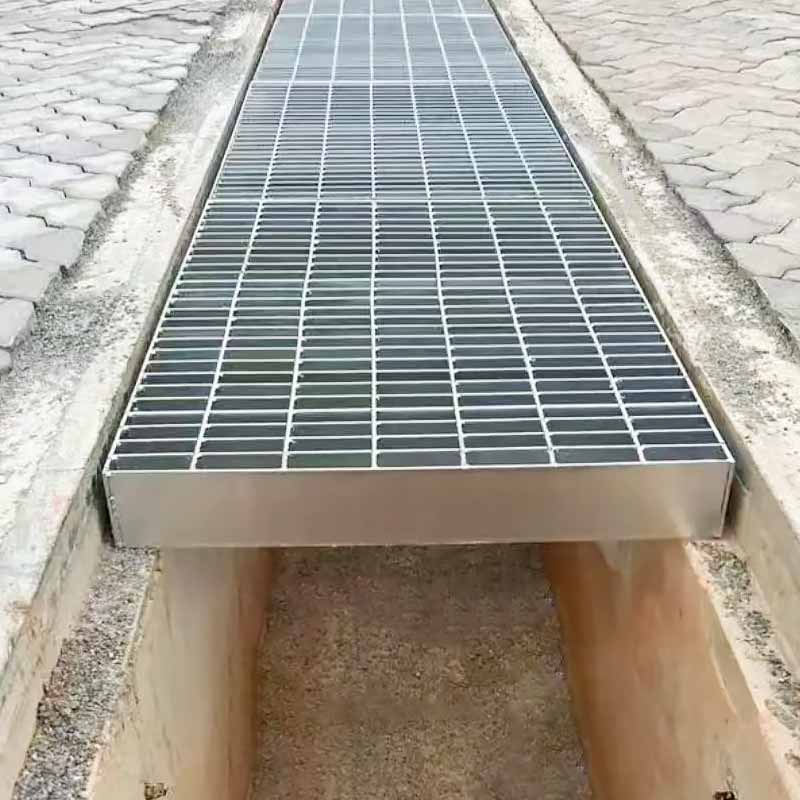
A drain cover is only one part of the opening it protects. The frame, supporting concrete or steel, finished surface level, and restraint detail determine how the installed assembly behaves. Begin with the site section rather than with a loose grate size. Identify the users and any vehicles that cross it. A coordinated package allows the supplier to discuss seating, removal, and water entry together, reducing the chance that a correctly fabricated cover will be paired with an unsuitable support.
This guide focuses on industrial linear drainage installations. It addresses the decision behind the enquiry rather than restating every general feature of a metal grid. The practical objective is to prevent buying a cover without identifying how it is seated or restrained. The evidence to request is a section through the complete opening and support. Keep that requirement attached to the released drawing when asking for a metal drain covers proposal.
Resolve the seating and supporting structure for metal drain covers
Apply this check to metal drain covers by linking the proposed geometry to the frame, cover, and surrounding structure as one assembly. Use the actual location in industrial linear drainage installations as the reference.
The frame or supporting members determine where the component rests and how its loads enter the surrounding structure. Show seating widths, levels, corners, joints, and restraint locations in section. Check that the proposed supports remain available after adjacent work is complete.
For retained frames, record wear, distortion, corrosion, and surrounding settlement. A replacement panel cannot correct every defect in an old support. For new frames, assign responsibility for anchorage, welding, concrete interfaces, and installation tolerances. The supplier and site contractor should use the same released geometry. Acceptance must examine the installed seating rather than relying only on the component's manufacturing dimensions. The complete support detail is a necessary part of the enquiry and comparison of offers.
Assess the inlet, channel, and outlet together for metal drain covers
When reviewing metal drain covers, keep a section through the complete opening and support with the supplier response. This gives the technical discussion a specific acceptance reference.
Drainage depends on the complete water path. Surface falls, inlet geometry, cover openings, channel dimensions, outlet condition, and debris can all influence performance. The drainage designer should define the hydraulic requirement and assessment conditions. Visual open area alone cannot establish site capacity.
Coordinate the cover layout with cleaning access, outlets, and sumps. Keep structural and hydraulic acceptance separate: a strong cover may still be paired with an inadequate or blocked channel. The finished level should allow the intended water entry without creating a walking or traffic defect. Construction debris needs to be removed before handover. Retain the maintenance method because a suitable design can lose performance if the inlet and channel are not kept serviceable.
Specify the load basis for the whole crossing for metal drain covers
For metal drain covers, a change that affects the frame, cover, and surrounding structure as one assembly should be declared before production. Review the effect on adjacent components and the installation sequence.
A traffic duty requires more than the total vehicle mass or a broad heavy-duty label. Obtain the relevant wheel demands, contact areas, route, turning or braking conditions, and the design basis specified by the project engineer. The panel, frame, restraint, and surrounding structure should be reviewed as an assembly.
Keep the proposed geometry connected to the calculation or testing evidence. A classification or label applies only within its stated basis and does not make every visually similar product equivalent. Review the finished level and pavement condition because settlement can change seating and impact. If the operating vehicle or route changes, revisit the assessment. Procurement should request a clear response to the defined duty rather than translating a catalogue photograph into a traffic approval claim.
A worked review scenario: industrial linear drainage installations
Consider a hypothetical enquiry for metal drain covers in industrial linear drainage installations. The buyer receives two proposals that share a broad product description. Proposal A explicitly addresses the frame, cover, and surrounding structure as one assembly and includes a section through the complete opening and support. Proposal B omits that evidence and assumes that the existing interface is acceptable. The example is an enquiry comparison, not a claim about an actual Senfa customer or a completed project.
The buyer should first resolve the missing information in Proposal B. A lower price does not answer whether the proposal prevents buying a cover without identifying how it is seated or restrained. Ask the supplier to identify its assumptions and show the completed assembly against the same released requirements. The two offers become comparable only when their interfaces, fabrication scope, and evidence are clear.
The decision record for metal drain covers should name the accepted drawing and explain why the selected arrangement meets the defined duty. If the project cannot yet provide a section through the complete opening and support, keep the technical question open. The next useful step is a survey, sample, calculation, or coordinated drawing appropriate to that missing input; repeating a general capacity or quality claim will not close it.
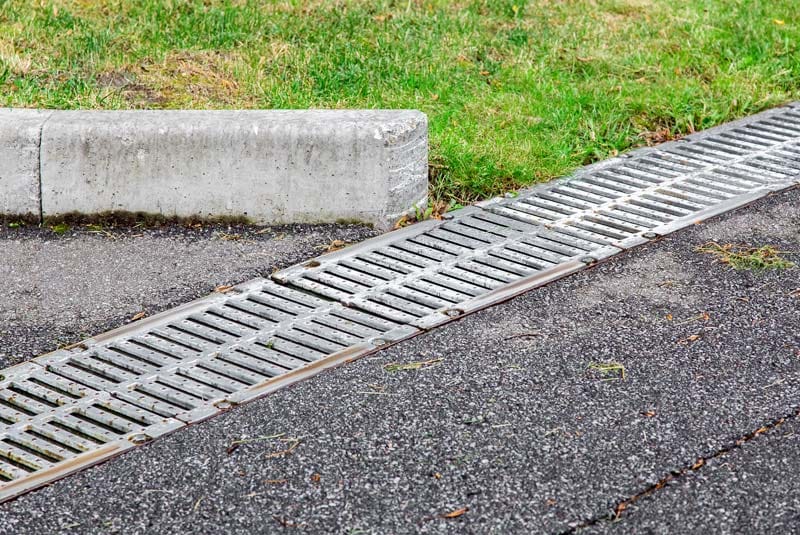
Compare the available approaches: metal drain covers
Use the table to structure a metal drain covers discussion. It identifies different supply approaches rather than ranking products without project data. For this enquiry, carry the frame, cover, and surrounding structure as one assembly through every column.
| Approach | When it may fit | Evidence to review |
|---|---|---|
| Loose replacement cover | The retained frame has been surveyed and accepted | Confirm seating, movement, removal, and finished level |
| Cover-and-frame package | New channels or unsuitable retained supports | Coordinate frame anchorage and surrounding civil work |
| Special traffic or public-route arrangement | The duty introduces additional project requirements | Request evidence for the complete installed assembly |
For metal drain covers, the comparison is complete only after declared deviations are resolved. Keep pricing, technical acceptance, and delivery responsibilities visible. A useful offer states what is supplied and what the buyer or site contractor still needs to provide.
Information to send with the enquiry: metal drain covers
A metal drain covers enquiry should include a location plan, dimensions with units, the intended duty, and the surrounding support or connection geometry. For industrial linear drainage installations, highlight the frame, cover, and surrounding structure as one assembly rather than burying it in a general note. Attach a section through the complete opening and support where it is already available, or identify who will provide it before fabrication.
Include quantities by component mark, material and finish requirements, inspection documents, and the destination handling constraints. Define whether accessories, frames, special fabrication, packing, and site assembly are included. Ask the supplier to list any deviation against the released information. This prevents buying a cover without identifying how it is seated or restrained from remaining hidden as an assumption in the quotation.
Keep related terms such as drainage steel grating with frame, ditch cover steel grating, steel grating trench cover connected to the same duty brief when searching catalogues. Similar wording does not make different constructions interchangeable. For metal drain covers, the approved physical definition and its acceptance evidence take precedence over a short catalogue description.
Acceptance and change control: metal drain covers
Before releasing metal drain covers for production, confirm that the drawing, component schedule, and supplier response describe the same revision. The review should explicitly close the question of the frame, cover, and surrounding structure as one assembly. Record acceptance against a section through the complete opening and support and identify any remaining site-dependent checks.
At delivery, match the marks and quantities to the packing list and examine visible damage before the components are distributed. During installation, check the actual interface and the completed secured condition. The practical warning for this application remains buying a cover without identifying how it is seated or restrained. A correct-looking component should not be used to dismiss an unresolved interface or duty question.
Changes to the equipment, route, exposure, or support can invalidate earlier assumptions. Review them before modifying a finished part. Preserve the final drawing and records for future metal drain covers replacement so that the next order begins with the accepted installation rather than a new guess.
Reference and related Senfa resources: metal drain covers
For applicable US workplaces, OSHA addresses surface condition, intended loads, access, and inspection. Use the governing project rules for the actual installation. This reference is background guidance and does not establish product certification. See the OSHA walking-working surface requirements.
For the relevant product family, review Senfa trench cover and the steel grating trench cover product page. Use drawing-based fabrication and finishing support to discuss the specific interface, and technical support resources for the broader product context.
Discuss the project with Senfa: metal drain covers
To discuss metal drain covers, send the released drawing or a labelled survey, the quantity schedule, and the operating requirements for industrial linear drainage installations. Highlight the frame, cover, and surrounding structure as one assembly and include a section through the complete opening and support when available. Senfa lists drawing review, secondary fabrication, surface-treatment options, and technical project support among its services.
Request a proposal that identifies the construction, interfaces, supplied accessories, finishing, inspection records, and delivery scope. Ask for deviations to be stated clearly so the project team can review them before ordering metal drain covers. The enquiry form below provides a starting point for that discussion; final selection should follow the approved project information.
Frequently asked questions
Can a new cover solve a damaged frame for metal drain covers?
Not automatically. Survey the retained support and surrounding structure. Determine whether the frame can remain or requires repair or replacement under the project review. The new cover needs an approved seating and restraint arrangement.
Does a high open area guarantee drainage capacity for metal drain covers?
No. Surface falls, inlet performance, channel, outlet, and debris all matter. Obtain a drainage design assessment and keep it separate from structural capacity. Plan cleaning access and verify the completed water path.
Is a heavy-duty label enough for vehicle traffic for metal drain covers?
No. Define wheel demands, contact geometry, movements, support, and the governing design basis. Request matching evidence for the actual cover-and-frame or floor assembly. Reassess the duty when vehicles or routes change.
What is the main decision in this metal drain covers enquiry?
The central decision is the frame, cover, and surrounding structure as one assembly for industrial linear drainage installations. Request a section through the complete opening and support and use the same released information when comparing proposals. This keeps the discussion connected to the installed duty.
What should be avoided when ordering metal drain covers?
Avoid buying a cover without identifying how it is seated or restrained. Resolve the relevant interface and acceptance evidence before fabrication, declare any supplier assumptions, and review later changes against the approved arrangement rather than relying on visual similarity.